
The Importance of the Curaçao Casino License in the Online Betting Landscape
In the evolving world of online gaming, the Curacao casino license curacao casinos not on gamstop have garnered attention for their operational flexibility and regulatory advantages. One of the most prominent features in this domain is the Curaçao casino license, known for its role in shaping the present-day gaming industry.
What is the Curaçao Casino License?
The Curaçao casino license is a regulatory framework established by the government of Curaçao, a small island in the Caribbean. This license permits online gambling operators to legally offer their games and services to customers around the world. The licensing process is overseen by the Curaçao eGaming authority, which has been in place since 1996, making it one of the oldest regulatory bodies in the online gambling sector.
The Appeal of the Curaçao License
The popularity of the Curaçao casino license among online operators can be attributed to several factors:

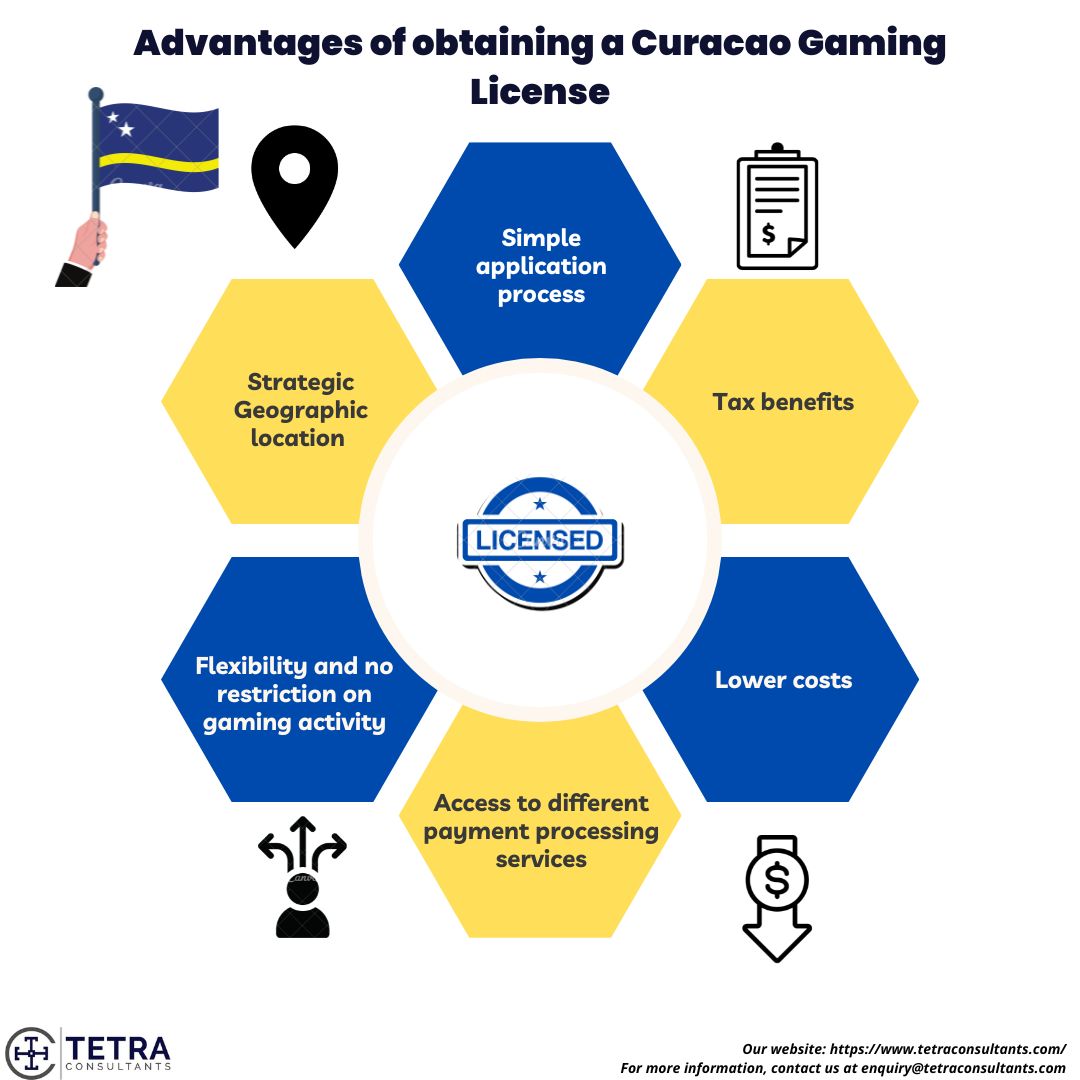
- Cost-Effectiveness: Obtaining a license from Curaçao is significantly less expensive compared to licenses from jurisdictions like the UK or Malta. This affordability attracts many new businesses to the market.
- Streamlined Licensing Process: The application process is relatively quick and straightforward, allowing operators to start their businesses in a shorter timeframe.
- Tax Benefits: The tax structure in Curaçao is advantageous for online gambling businesses, with low tax rates maximizing profit potential.
- Broad Market Reach: A Curaçao license allows operators to cater to a global audience without having to adhere to the regulations of every individual country.
Types of Licenses Offered
Curaçao offers different types of licenses to accommodate various business models:
- Master License: This license is issued to a single entity that can subsequently issue sub-licenses to other operators.
- Sub-License: A sub-license is granted by a master license holder. This is the most common form chosen by operators, allowing them to legally operate within prescribed guidelines.
Regulatory Framework and Compliance
While the Curaçao casino license is known for its lenient regulations, operators are still required to adhere to certain standards:
- Operators must maintain transparency about their operations and ensure fair play.
- Regular audits may be conducted to ensure compliance with licensing terms.
- Operators are required to implement strict measures to prevent money laundering and fraud.
- Adherence to responsible gaming practices is encouraged to safeguard players’ interests.
Advantages for Players
For players, choosing a casino with a Curaçao license comes with numerous benefits:
- Variety of Games: Licensed operators usually offer a wide range of gaming options, including slots, table games, and live dealer experiences.
- Accessibility: Many Curaçao casinos accept players from a multitude of countries, providing a more inclusive gaming environment.
- Attractive Bonuses: casinos often provide generous welcome bonuses, loyalty rewards, and promotions to attract and retain players.
Noteworthy Online Casinos with Curaçao Licenses
Several reputable online casinos operate under the Curaçao license, contributing to its esteemed position within the industry. Some notable names include:
- 1xBet
- Jet Casino
- Bitstarz
The Future of Curaçao Casino Licenses
As the online gaming industry continues to grow and evolve, the Curaçao casino license remains a relevant factor. However, it is also facing increasing scrutiny from both players and governments worldwide. Changes in regulations, including those targeting more stringent compliance measures, may alter the landscape of online gambling in the future.
Conclusion
The Curaçao casino license represents an accessible and viable option for both operators and players in the online gaming ecosystem. Its flexibility, affordability, and ability to cater to a global audience make it a crucial player in the industry. As the gaming landscape evolves, keeping an eye on regulatory developments will be essential for stakeholders to ensure compliance and maintain fair play.